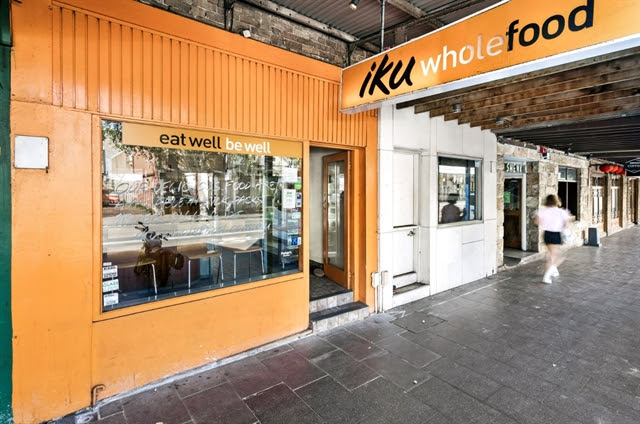
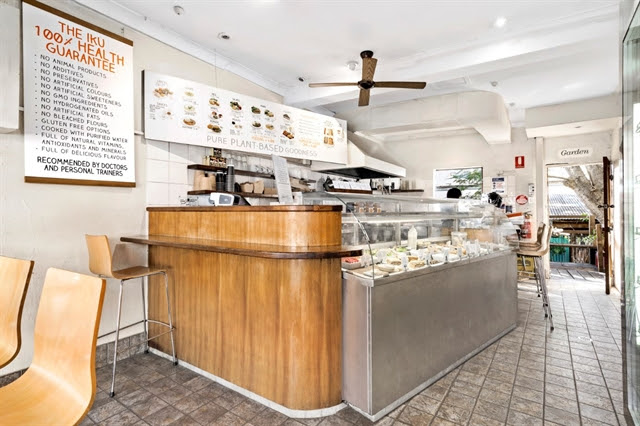
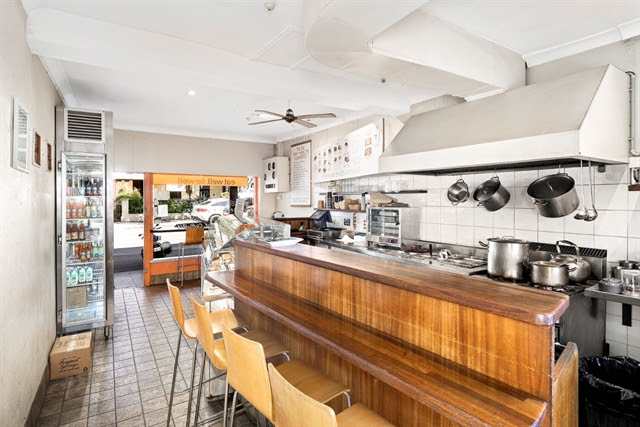
A PRIVATE investor from Double Bay has paid $805,000 under the hammer for a Glebe institution as the popular IKU Wholefood smashed its reserve by $125,000 at 25A Glebe Point Road.
The asset, that had been servicing the people of Sydney since 1985, was still operating on an expired lease and the tenants were willing to resign a new deal.
The property was marketed and sold by Ray White Commercial Sydney City Fringe Principal Kristian Morris and Sales and Leasing Associate Lachlan Palm.

“We always thought a freehold property in one of the best parts of Glebe Point Road sub-$1,000,000 should be very well received,” Mr Morris said.
“The current tenant has been there for over 35 years, but on an expired lease. Buyers were concerned about the tenant leaving, but were also excited by the value-add potential in the property.
“We conducted 22 private inspections from 90 enquiries. We offered buyers the opportunity to participate in the auction process either the traditional way or online – to us it looks like buyers have adopted the new way.”

“All the consistent feedback from the buyers throughout the campaign was between $600,000 and $700,000, hence the vendor setting the reserve price at $680,000.
“To achieve $125,000 above the reserve was a testament to the auction process, combined with our marketing strategies and hard work through the four-week campaign.
“The vendor is very happy with the result.”